
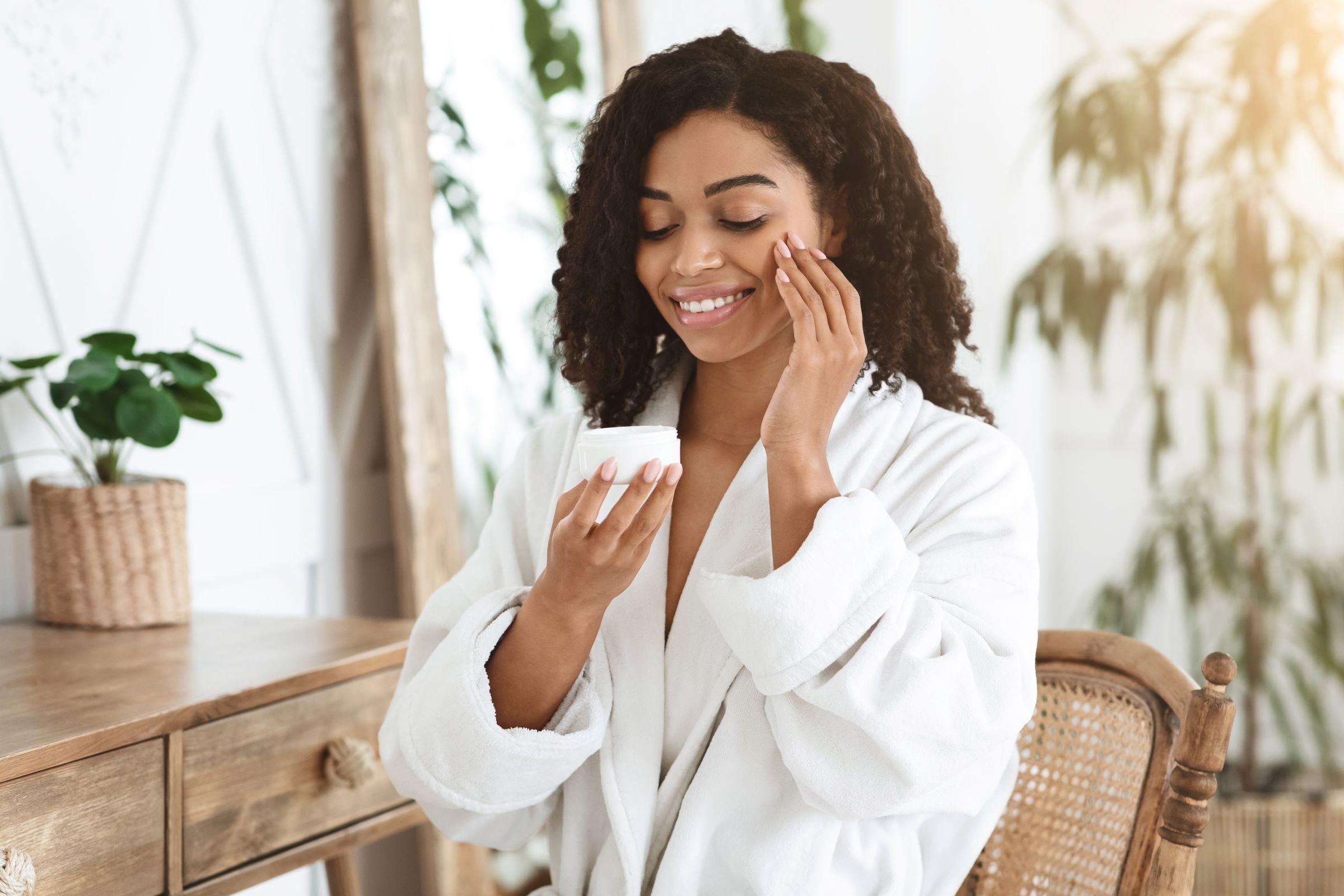
Black Skin Care: Essential Tips for Healthy, Radiant and Well-Nourished Skin
Healthy, radiant-looking skin starts with understanding what your skin needs and choosing products that support it. For people with darker skin tones, concerns such as hyperpigmentation, uneven skin tone, dryness, and post-acne marks may influence skincare choices.
The good news is that an effective routine doesn’t need to be complicated. With suitable products, consistent habits, and a little knowledge about skincare ingredients, you can make more informed decisions about caring for your skin.
Whether you’re starting from scratch or improving your existing routine, these Black skin care tips can help you build a practical approach to everyday skincare.
1. Understand Your Skin Type First
Before choosing products, understand your skin type.
Darker skin tones can be oily, dry, combination, or sensitive. Your skin type influences the products and ingredients that may work best for you.
Common skin types include:
- Oily skin: Often produces excess sebum and may be prone to clogged pores.
- Dry skin: May feel tight, rough, or flaky.
- Combination skin: Has both oily and dry areas.
- Sensitive skin: May react easily to certain ingredients or environmental factors.
Your skin can also change with age, weather, lifestyle, and other factors. Pay attention to how it responds to products rather than choosing something simply because it is marketed for Black skin.
2. Build a Simple Daily Skincare Routine
A consistent routine is often more useful than using a large number of products.
Consider starting with these essentials:
Cleanser: Use a gentle cleanser to remove dirt, oil, and daily buildup without excessively drying your skin.
Moisturizer: Choose a moisturizer that helps maintain hydration and supports the skin barrier.
Sunscreen: Apply broad-spectrum SPF 30 or higher every day. Sun protection is important for every skin tone and can help prevent existing dark spots from becoming more noticeable.
Targeted products: If you have specific concerns, consider suitable products that address them without overwhelming your routine.
Introduce new products gradually so you can identify any irritation or sensitivity.
3. Understand and Manage Hyperpigmentation
Hyperpigmentation occurs when certain areas of skin produce excess melanin, creating darker patches or spots.
For people with darker skin tones, post-inflammatory hyperpigmentation can be a common concern. It may appear after acne, irritation, injuries, or other inflammatory skin conditions.
A few helpful habits include:
- Avoid picking or squeezing breakouts.
- Use gentle skincare products.
- Avoid excessive exfoliation.
- Apply sunscreen consistently.
- Introduce targeted ingredients carefully.
Ingredients such as niacinamide and vitamin C are commonly used in cosmetic products targeting the appearance of uneven skin tone.
Results take time, and persistent or unexplained pigmentation should be assessed by a dermatologist.
4. Choose Ingredients That Support Your Skin
Understanding skincare ingredients makes it easier to select suitable Black skincare products.
Here are some commonly used ingredients:
| Ingredient | Common skincare purpose |
|---|---|
| Hyaluronic Acid | Helps attract and retain moisture |
| Vitamin C | Antioxidant used in products targeting uneven-looking skin tone |
| Niacinamide | Supports the skin barrier and appearance of uneven tone |
| Kojic Acid | Used in some products targeting the appearance of dark spots |
| Green Tea Extract | Antioxidant ingredient used in skincare formulations |
| Vitamin E | Helps condition skin and is commonly included in moisturizing products |
Remember that an ingredient’s effectiveness depends on its formulation, concentration, and how it suits your skin.
More active ingredients do not automatically mean better results. If you’re unsure about combining products, seek guidance from a qualified skincare professional.
5. Don’t Overlook Hydration
Hydration is an important part of maintaining healthy-looking skin.
Dehydrated skin may feel tight, look dull, or appear less supple. Even oily skin can become dehydrated.
A suitable cleanser followed by a hydrating product and moisturizer can help support your skin’s moisture balance.
Look for formulations containing ingredients such as hyaluronic acid and other moisturizing components that suit your skin type.
Also remember that harsh cleansing and excessive exfoliation can disrupt the skin barrier, making dryness and irritation worse.
6. Exfoliate Carefully
Exfoliation can help improve the appearance of skin texture by removing accumulated dead skin cells. However, aggressive exfoliation can cause irritation.
This is particularly important if you are concerned about dark spots or uneven skin tone, as inflammation may contribute to additional pigmentation.
Choose an exfoliating product suitable for your skin, follow its directions, and avoid using multiple strong exfoliants at the same time.
If your skin becomes persistently irritated, discontinue the product and seek professional advice.
7. Choose Products Based on Your Individual Needs
There is no single skincare collection that works for everyone. The best products are those that suit your skin type, address your concerns, and fit into a routine you can maintain.
The Lisa Seyz skincare collection includes five products designed around different skincare needs:
- Pure Super Fruits Cleanser: A cleanser featuring vitamin C, rosehip, and tea tree oil.
- Hydra Peptide Revive Cleanser: A cleanser featuring aloe vera, witch hazel, and jojoba oil.
- Bright Lux Hydrating Cream: A hydrating cream featuring hyaluronic acid and kojic acid.
- MicroGlow Face Polish: A face polish featuring vitamin E, hyaluronic acid, and green tea extract.
- Glow Tonic: A toner featuring niacinamide, as listed in the product collection.
Review the full ingredient lists and product directions before adding anything to your routine. If you have sensitive skin, introduce products individually and test them as directed.
Explore the Lisa Seyz skincare products to learn more about the collection.
Frequently Asked Questions
Is Black skin care different from other skincare routines?
The basic principles are similar for everyone: gentle cleansing, hydration, moisturizing, and sun protection. However, concerns such as post-inflammatory hyperpigmentation may influence product and treatment choices for some people with darker skin tones.
What ingredients are useful for Black skin care?
Ingredients such as hyaluronic acid, niacinamide, vitamin C, and vitamin E are commonly used in skincare products. Their suitability depends on your skin type and the product formulation.
Does darker skin need sunscreen?
Absolutely. All skin tones need sun protection. Broad-spectrum SPF 30 or higher sunscreen helps protect against UV damage and can help prevent dark spots from becoming more noticeable.
How can I reduce the appearance of dark spots?
A consistent routine, sun protection, and suitable skincare ingredients may help improve the appearance of uneven skin tone. Persistent pigmentation should be evaluated by a dermatologist.
Where can I find Black skincare products?
Look for products with clear ingredient information, appropriate formulations, and directions that suit your skin’s needs. You can explore the Lisa Seyz collection online for cleansing, hydration, and exfoliation products.
Make Your Skincare Routine Work for You
Good Black skin care isn’t about following every trend or buying dozens of products. It’s about understanding your skin, choosing suitable ingredients, protecting your skin from the sun, and maintaining habits that support its needs.
Start with the essentials, introduce new products carefully, and seek professional guidance when you need it.
Explore the Lisa Seyz skincare collection and discover products to consider as part of your everyday skincare routine.